— Chapter II —
Crime.
Non-graphic mysteries, careful observations, small-town questions, and suspenseful stories told responsibly.
Crime, in this chapter, almost never means violence. It means the slower kind of wrongdoing that small communities produce and then have to live with afterward: ledgers that do not balance, garages that stay locked too long, receipts that tell a different story than the person holding them. We are less interested in perpetrators than in the neighbors, bookkeepers, and night-shift clerks who noticed something and had to decide what noticing was worth. Every piece here keeps to our rules: no glamorizing, no how-to detail, no real names where real harm could follow. What remains is the human ledger, what honesty costs, and who ends up paying it.
— Featured · Arizona —
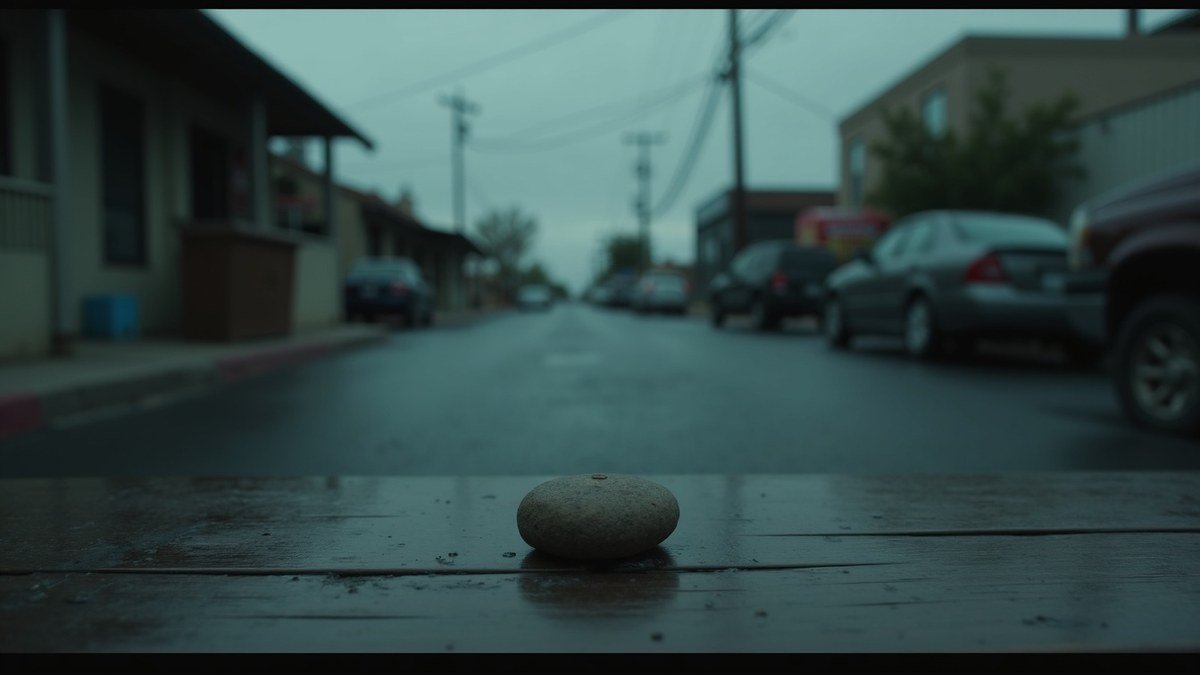
The Neighbor Who Noticed One Strange Detail.
A quiet cul-de-sac in suburban Phoenix, a routine that broke, and the call Margaret almost did not make.
Begin reading →-
II.
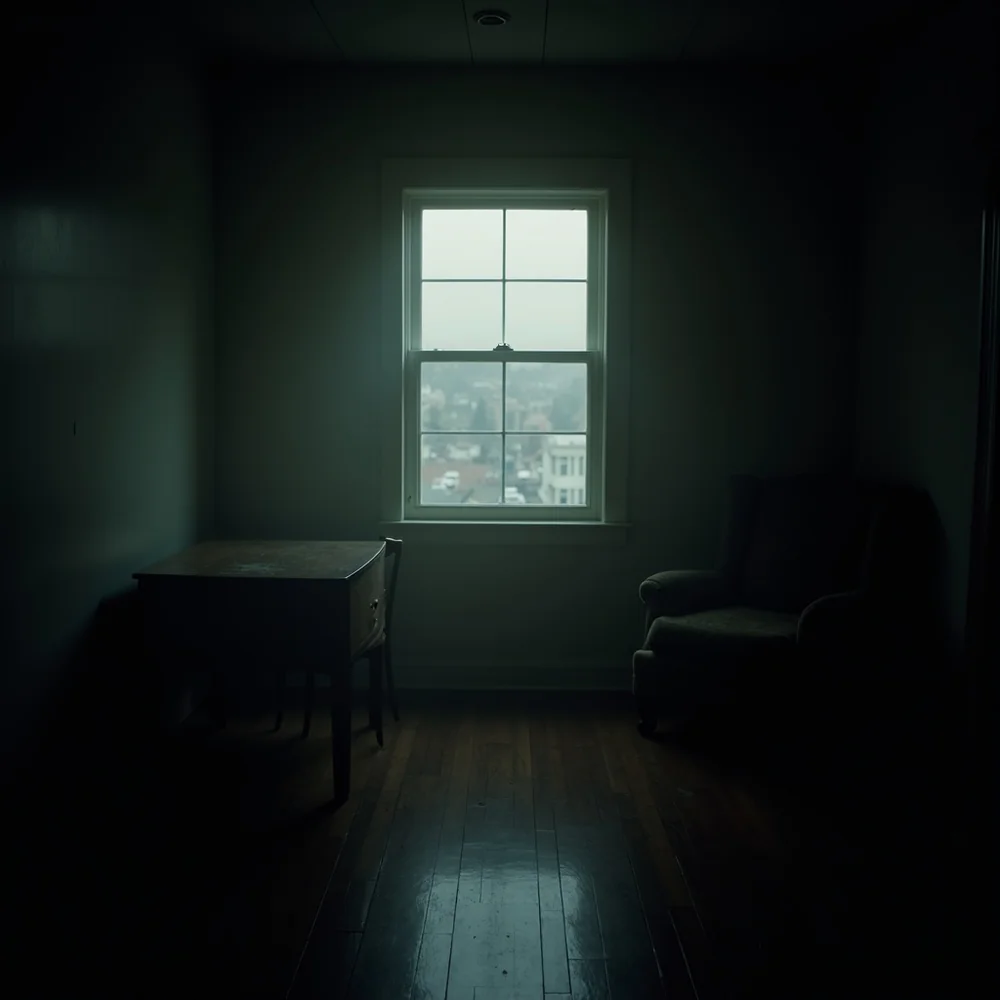
The House Camera Recorded Something at 3 a.m..
A new doorbell camera, four identical alerts, and the moment the family stopped laughing about it. -
III.
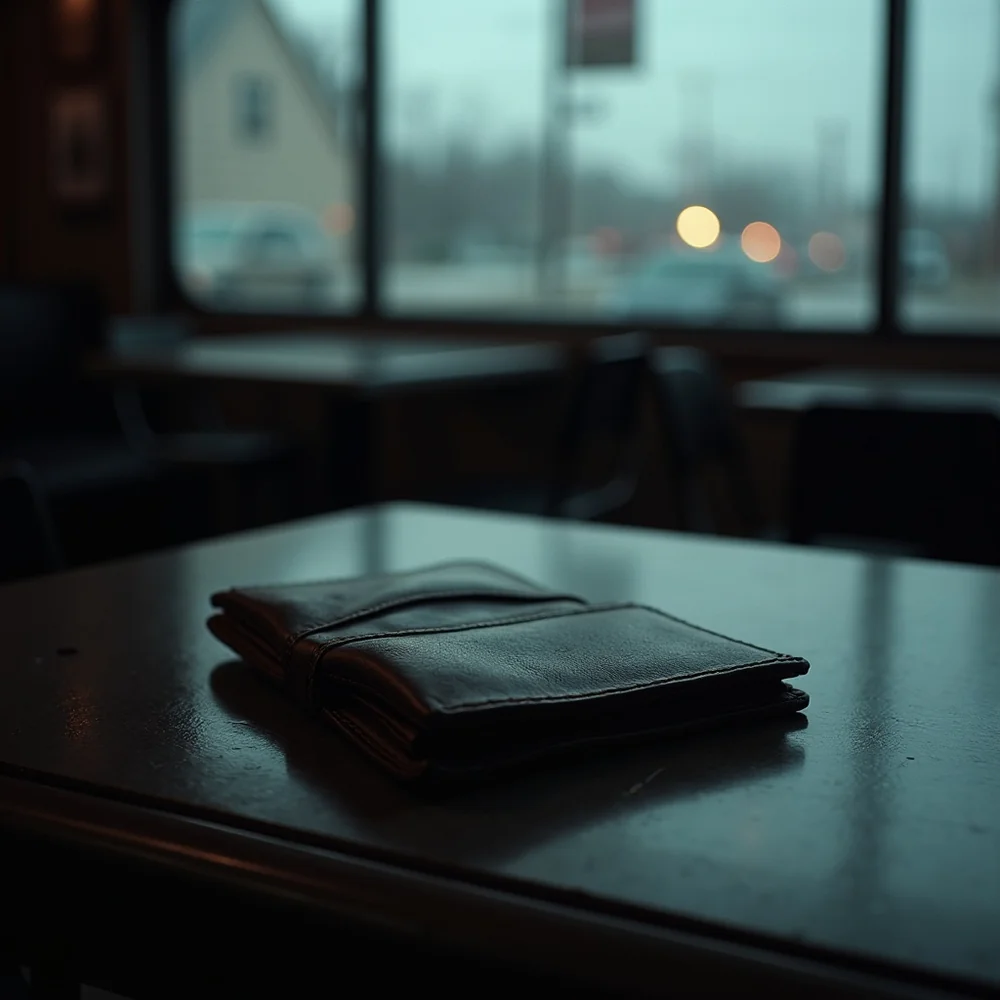
A Missing Wallet Opened a Mystery No One Expected.
A lost wallet, a manila envelope on a porch, and the question the police asked first. -
IV.
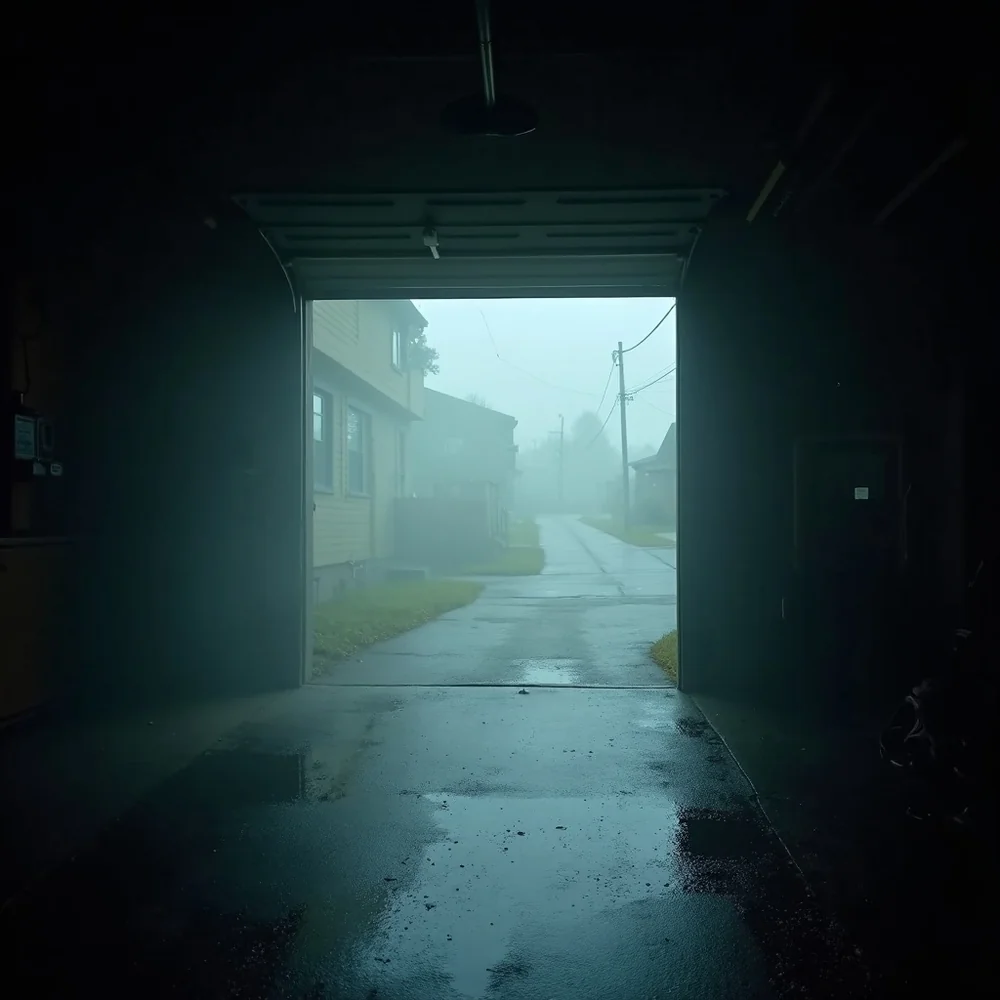
A Locked Garage Held the Answer for Years.
A rusted padlock, a stack of paperwork from 2014, and the question Jonas wished he had asked his uncle while he could. -
V.

The Last Receipt Changed the Whole Story.
A timestamped receipt, a coffee that nobody finished, and the detail that did not match the timeline. -
VI.
The Stranger in the Parking Lot Wasn't Who He Claimed.
A grocery store parking lot, a too-helpful stranger, and the instinct that told Karen to stay inside her car. -
VII.
The Forgotten Backpack That Solved a Small-Town Mystery.
A school library bin, a manila folder of old photographs, and the answer a small Vermont town had stopped looking for. -
VIII.
A Wrong Number Led to a Police Investigation.
A misdialed call, a panicked stranger, and the choice to stay on the line. -
IX.

The Pharmacist Who Noticed the Pattern in Prescriptions.
Six months of refills that never came, a notebook kept in a drawer under the register, and the phone call Caroline Lindqvist almost did not make. -
X.

The Bookkeeper Who Found Two Cents Missing.
A two-cent discrepancy in a bank reconciliation, the bookkeeper who refused to round it off, and what eighteen months of honesty cost her in Paducah. -
XI.

The Night Clerk Who Memorized License Plates.
An insomniac motel clerk on Route 66, a habit of memorizing license plates no one asked him to keep, and the quiet three a.m. call that brought a girl home.
The Crime chapter is suspense for grown-up readers. No gore, no spectacle, no glorified violence. Instead: a noticed detail, a quiet question, a small town that pays attention. These are stories about the human side of mystery — the neighbor who refuses to look away, the receipt that does not match, the camera that recorded something at three in the morning. They are inspired by life, never disguised as news.