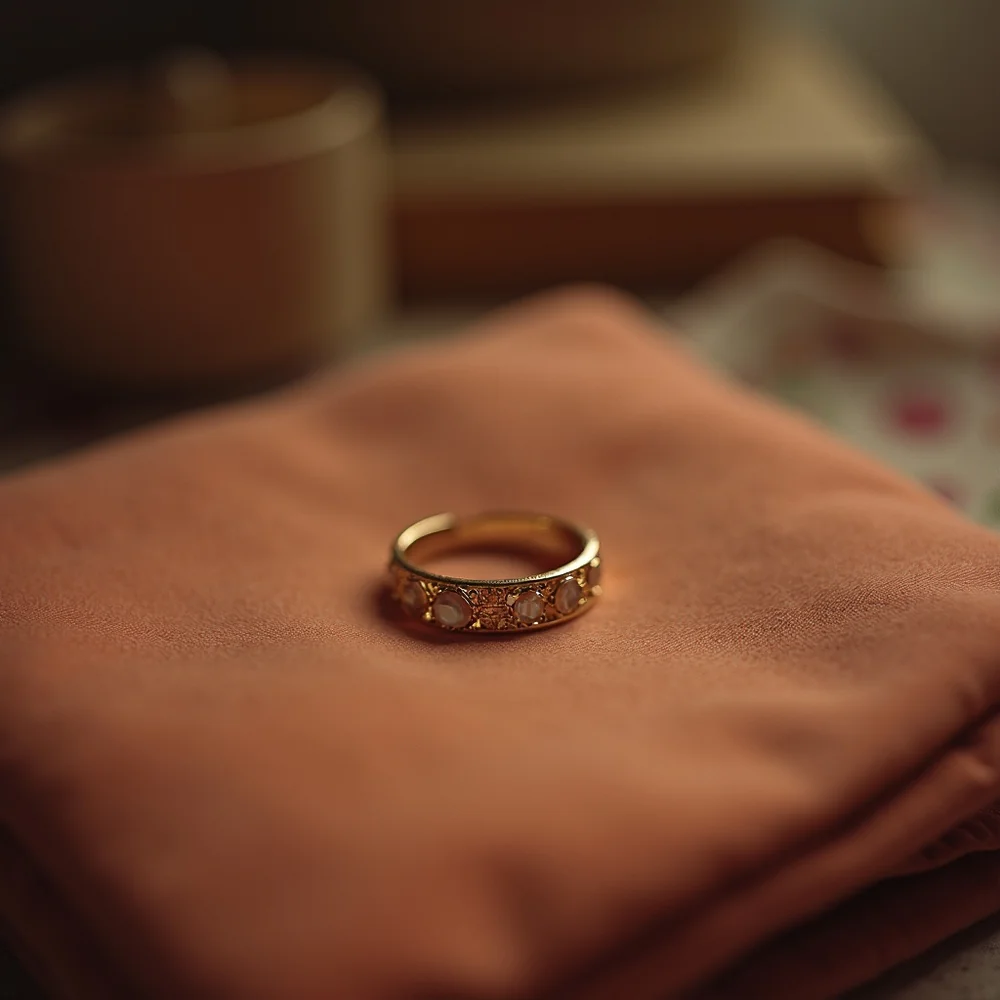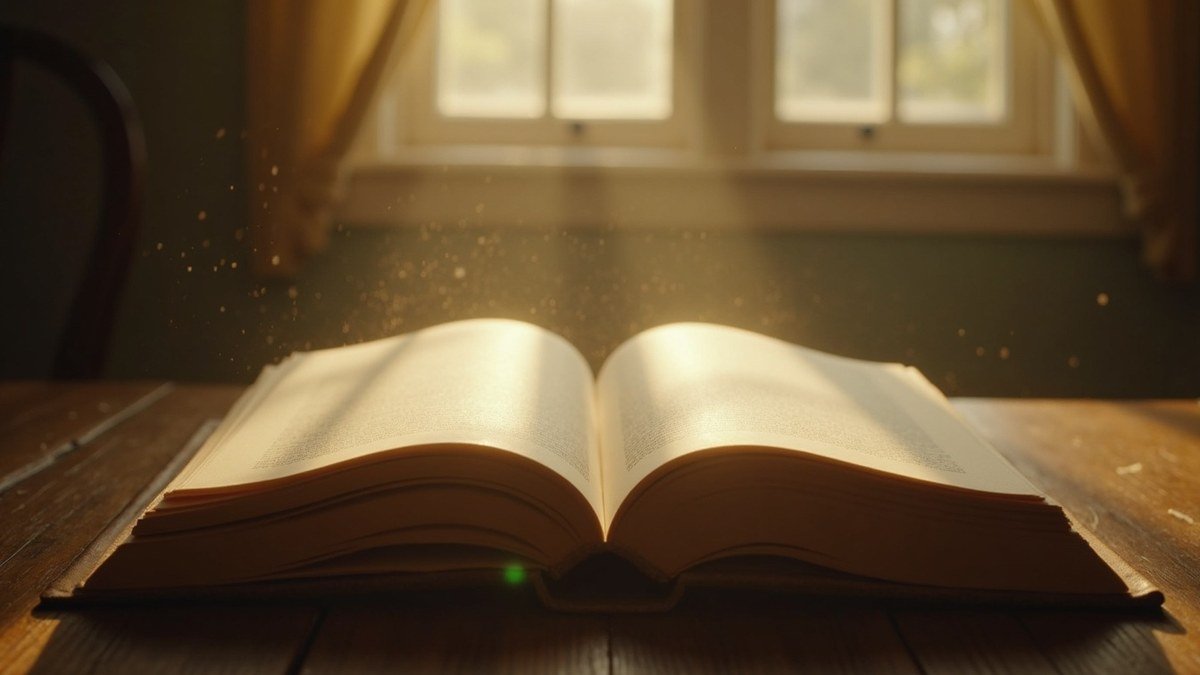
The book was a gift from her grandmother. The name written on the inside cover was the same as the man she had just started dating.
Claire Mercier was thirty-one. She lived in a small one-bedroom carriage house behind a larger home on Wentworth Street, in the South of Broad neighborhood of Charleston. She worked as a paralegal at a small estate-law firm three blocks from the Battery, which meant she walked to work in the mornings under the canopy of live oaks that have been growing on the peninsula since before the Civil War, and which meant she had, by the year I am writing about, become the kind of South Carolina young woman who knew the names of approximately forty of her neighbors and the dogs of all of them.
She had been seeing a man named Theo Lambert for almost three months. He was a thirty-three-year-old architectural conservator who worked, mostly, on the careful restoration of late-eighteenth and early-nineteenth-century Charleston row houses. He was the kind of careful slow man who would, on a Sunday morning, point out the small particular paint colors that had been correct for a specific decade of the eighteen-hundreds, and who would, two minutes later, apologize for being the kind of man who would do that. Claire liked him. She liked him in the slow careful way she had begun to learn to like men in her early thirties, after a long string of more excited and shorter-lived attachments in her twenties.
The book had been a gift from her grandmother Edith, who had died in late February at the age of ninety-one. Edith had left Claire a small inheritance (eight thousand dollars and a handful of personal objects) and at the head of the inventory had been a single book. The book was a 1972 first-edition hardcover of The Optimist’s Daughter by Eudora Welty. The dust jacket was in the soft yellowed condition that any 1972 jacket is now in. The pages were intact. There was a small bookplate inside the cover, on which Edith had written, in her careful cursive, To Claire, every Welty woman should own this one. Love, your grandmother, 2019.
Edith had given Claire the book on her twenty-fifth birthday. Claire had read it that fall. She had not, in the years since, opened the cover again.
She opened it the Tuesday after her grandmother’s funeral, in the small ritual sorting that her own mother had asked her to do with the few things Edith had specifically left her. She wanted, the way bereaved granddaughters sometimes want, to read the bookplate one more time. She wanted to see her grandmother’s handwriting.
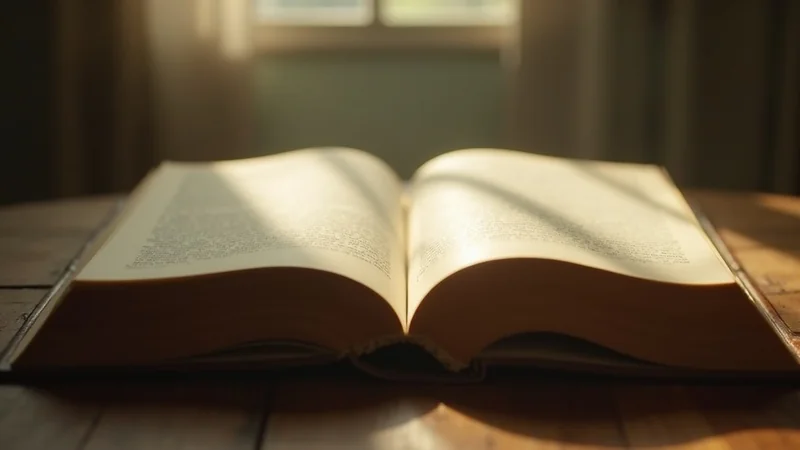
The bookplate was where it had always been. On the page next to it, the soft yellowed paper of the title page, there was a name written in pencil at the upper right corner.
Theo Lambert · 1989
II. The pencil.
She stared at the name for almost two minutes.
She knew, in the way that the careful adult brain knows these things, that it could not be the same Theo Lambert. The Theo Lambert she had been dating had been born in 1992. The Theo Lambert who had written his name on the title page of a Welty first edition in 1989 would have had to have been at least a teenager at the time, which would put him in his late forties or fifties now. The name was a coincidence. The world had many Theo Lamberts.
But she also knew, in the small particular careful way that her paralegal training had taught her to know, that Theo Lambert was not a common name. It was not, by South Carolina low-country naming standards, an unusual name, there were Lamberts going back to the eighteenth century in the careful family-tree records that the Charleston historical society kept. But the combination of Theo and Lambert was rare. She had not, in her own life in Charleston, met any other Theo Lamberts before the man she had been dating.
She took out her phone. She did not, in the moment, text the Theo Lambert she had been dating. She texted her mother in Mount Pleasant.
Do we know any Theo Lamberts on Grandma’s side of the family? I am holding her Welty book and there is a name written on the title page.
Her mother wrote back twenty minutes later. Theo Lambert. That was your grandmother’s first husband.
III. Edith’s first husband.
I have been writing for The Chapbook for almost nine years, and I have learned that the secrets of small Southern families are not, in the usual sense, secrets. They are simply pieces of information that have been quietly understood by the older generation and quietly not transmitted to the younger one, not out of any active concealment, but because the older generation has assumed, in the long careful way that older Southern generations assume, that the information would arrive when it needed to.
Edith Cooper Mercier had been married, the family had quietly understood since approximately 1962, to a young architect named Theo Lambert from January of 1958 until April of 1961. The marriage had been a short careful failure. Theo had been, by Edith’s later account in the careful conversations she had had with her own daughter in the nineteen-seventies, a man who had not been ready to be a husband and who had, in the end, told me so himself. They had separated in 1960. They had divorced in early 1961, in the small careful low-key way that Southern divorces in 1961 had been done. Edith had married Henry Mercier (Claire’s grandfather, the only grandfather Claire had ever known) in 1962. They had been married for fifty-three years until Henry’s death in 2015.
Edith had not, in any of the long careful conversations Claire had had with her over twenty-five years, mentioned Theo Lambert. Claire had not, until the Tuesday afternoon she opened the Welty book, known that her grandmother had been married before.
Her mother told her, in a long careful phone call that evening, the small remaining facts. Theo Lambert the first had stayed in Charleston. He had remarried in 1965. He had had two sons. He had died of pancreatic cancer in 1994. He had been, by Edith’s later account, a good man who had been the wrong man for me, and who had become the right man for someone else at the right time, which is the way these things sometimes work.
Theo Lambert the first had been, at the time of his 1994 death, sixty-three years old.
The Theo Lambert Claire had been dating, the careful slow architectural conservator, had been born in 1992, two years before the death of his grandfather.
He was, Claire confirmed in the careful private way that women in their early thirties confirm these things, the grandson of her grandmother’s first husband.
IV. The conversation she had to have.
She did not, that Tuesday evening, call Theo. She did not, on Wednesday, call him either. She spent two evenings sitting in her small carriage house with the Welty book on her kitchen table and the small particular weather of a piece of new family information she had not, in any way, been expecting.
The question was not whether the connection was scandalous. It was not scandalous. Her grandmother’s brief first marriage had ended sixty-four years before Claire had ever met the younger Theo Lambert. They were not related by blood. They were not related by law. They were, in the small careful technical sense, two people whose grandparents had once been married to each other for thirty-eight months in the late nineteen-fifties.
The question was something quieter. The question was whether the small careful man she had been seeing for three months had known.
She thought about it carefully. She thought about the small particular way Theo had, on their first date, asked her about her grandparents. She thought about the small careful way he had, on their second date in early January, mentioned that his own grandfather had been an architect in Charleston in the nineteen-fifties. She had not, at the time, asked him the grandfather’s name. He had not, in the conversations since, ever mentioned it.
She had, in three months of careful dating, also not told Theo her grandmother’s maiden name. There had been no occasion for it. She had not, in the small loose conversations they had had about their families, mentioned Edith by her full name.
It was possible, likely, even, that Theo had no idea who Claire’s grandmother had been.
It was also possible, in a way Claire could not, on Wednesday evening, rule out, that he did.
She called him on Thursday morning. She asked him, in the small careful tone she had developed in her years as a paralegal, if she could come over to his apartment that evening. He said yes.
She brought the Welty book.
V. His grandfather.
I want to be careful, here, about how I write what happened in Theo Lambert’s apartment on Thursday evening. I do not want to write it in the small soft language of romance magazines. I want to write it in the slow honest way it actually happened.
Theo lived in a small second-floor apartment on Vanderhorst Street, in the kind of pre-war low-country building that had been carefully maintained but had not been renovated. The ceilings were high. The wood floors were the original. He had made dinner, a simple pasta with a small green salad, and they ate at his small kitchen table, and they talked for almost an hour about ordinary things before Claire took the Welty book out of her bag.
She set it on the table between them. She opened it to the title page. She turned it around so he could see the small penciled name.
He looked at it.
He did not, for several seconds, say anything. He looked at the name. He looked at Claire. He looked at the name again.
“This is my grandfather,” he said.
“I know.”
“Your grandmother’s book?”
“Yes.”
He sat back in his chair. He took off his glasses. He set them on the table. He put one hand over his eyes for a moment.
“You did not know,” she said. “About my grandmother and your grandfather.”
“No,” he said. “Claire. I did not.”
She had not, until that moment, fully understood how much she had been bracing for the possibility that he had known. She felt, in the careful particular way that women in their early thirties sometimes feel relief, a small steady lifting in her shoulders that she had not noticed accumulating.
The most important thing about a small old family secret, when it finally arrives, is not the secret itself. It is the question of whether it was being kept on purpose.
They sat at the kitchen table for almost three hours. He told her what he knew about his grandfather, Theo Lambert the first, who had died in 1994 when the younger Theo was two and had been, in the careful family memory, a kind quiet man whose first marriage was a thing none of his sons had ever fully understood and that nobody, by the year he died, had still been thinking about much.
She told him what she had learned from her mother on Tuesday evening.
They turned the Welty book between them. The penciled name was clearly the original Theo’s handwriting, Theo the younger recognized it from a small collection of letters his grandfather had left to his three grandchildren, in a wooden box that lived, at the moment, in Theo’s parents' attic in Mount Pleasant. The book had been, by careful inference, a gift that the first Theo had given to Edith during the brief careful marriage, or possibly in the months after the divorce, when by all accounts they had remained on the cautious civil terms that 1961 Charleston had permitted.
Edith had kept the book. She had read it. She had, fifty-eight years later, given it to her granddaughter for her twenty-fifth birthday, with a careful bookplate that did not, of course, mention any of this.
Claire, looking at the penciled name on the title page in her boyfriend’s apartment in Charleston, understood (slowly and with the careful steady gravity of a woman who had just been told something quiet about her own family) that her grandmother had given her the book for a reason.
VI. The eulogy Edith never gave.
She drove out to Mount Pleasant on Saturday. She sat with her mother in the small kitchen of the house Claire had grown up in. She told her mother, in the careful slow way she had been working out in her head, that she had been seeing Theo Lambert the younger for three months.
Her mother set down her coffee. Her mother looked at her for a long moment.
“Theo Lambert’s grandson?” she said.
“Yes.”
“Honey,” her mother said. “Your grandmother told me, three weeks before she died, that I needed to let you keep the Welty book. She said the book was the way the story would tell itself. I did not understand at the time. I thought she was being eccentric. She had been a little eccentric in the last six months.”
Claire sat at the kitchen table for a long time.
“Did she know,” she said. “About Theo.”
“I do not know how she would have known.”
“Did she know that I had been seeing him?”
“No, honey. You did not tell us until December. She was already, by then, mostly not lucid. She did not, I do not think, retain the name.”
They sat in the kitchen for a long time. Claire ate two of the small ginger cookies that her mother always kept in a glass jar on the counter. She drank a second cup of coffee.
Her mother said, finally: “Your grandmother was not a sentimental woman. She did not, in her whole life, give anyone a book for sentimental reasons. If she had given you this book, on your twenty-fifth birthday, with a careful bookplate in it, she had reasons. She did not, however, always explain her reasons. She often left them to be worked out.”
VII. The small careful month.
I sat with Claire and Theo in the small back garden of Theo’s apartment in late May, almost three months after the Tuesday afternoon Claire had opened the Welty book.
They had taken the small intervening months carefully. They had not, in the way some couples might have, treated the discovery as a fated sign that they were meant for each other. They had not, in the way other couples might have, treated it as a small uncomfortable family complication and slowly drifted apart. They had, in the slow careful way Claire had been learning to do things in her early thirties, sat with the fact for almost twelve weeks and decided to keep dating, with the small private understanding that the dating was now a different kind of dating than the dating they had been doing in January.
They had, over those twelve weeks, also done one careful adult thing. They had spent a Saturday afternoon together at the small graveyard at St. Philip’s Church, where Edith and Henry Mercier were both buried, and where Theo Lambert the first was also buried in the small family plot near the back. They had sat for a long while at Edith’s grave. They had sat for a slightly shorter while at the original Theo’s grave. They had not, in either case, made any speeches.
Theo had brought a small bouquet of yellow tulips, which had been, by Edith’s mother’s own careful memory, Edith’s favorite. Claire had brought a modest, deliberate copy of the Eudora Welty book, which she had wrapped in brown paper and tied with twine, and which she had set on the small flat headstone of the original Theo’s grave. She had taken it back with her, at the end of the afternoon. The gesture had not, of course, been about leaving the book. The gesture had been about bringing it.
They had not, on the careful Saturday at St. Philip’s, spoken much.
VIII. Why it stays.
I have been writing for The Chapbook for almost nine years, and the stories I have come to write most carefully are the stories where the older generation has, in the careful long-running way of older generations, set something quietly in motion that the younger generation has been left to find. Edith Mercier, in giving her granddaughter a Welty first edition for her twenty-fifth birthday in 2019, had not, by any careful accounting, known that her granddaughter would, six years later, begin dating the grandson of her own first husband. She had not, by any careful accounting, known that the book would, on a Tuesday afternoon in February, be opened for the second time in six years.
But she had known one thing.
She had known that the book contained a quiet, unhurried piece of her own private history that she had not been able to tell her granddaughter directly. And she had known that, when the book was finally read carefully enough, the small piece of history would tell itself.
The work of a grandmother, in the long quiet American tradition, is sometimes simply to leave the book on the right shelf and trust that the granddaughter, in her own time, will open the cover.
Across the United States, in carriage houses and small attics and inherited bookshelves, the careful small pieces of family history that older Americans have set quietly in motion are still slowly arriving. Some of them are simple. Some of them are not. For broader context on the long careful tradition of American Southern family history, readers can spend time with the literary archives at the Library of Congress or the long-form material at the Smithsonian Magazine. The Chapbook keeps its narratives clean, human, and responsible, read more in the Editorial Policy.
Claire and Theo are still together. They are not, by their own careful private accounting, in any hurry. They are doing the slow careful work of two people in their early thirties who have learned, the hard way, that the careful slow versions of their own lives are the versions worth building. They are, this summer, planning a neat, patient trip to Mississippi to visit the small Welty home in Jackson, which Claire has been meaning to see since she first read The Optimist’s Daughter in 2019.
The book is on the small bookshelf in Claire’s carriage house. The penciled name on the title page is, by Claire’s careful decision, going to stay there.
Some inheritances arrive late. Some of them arrive on time. The work of receiving them well is, in either case, the same.